Column · @getdurableroofmaterialsedge
Choosing Durable Roof Materials for Long-Term Home Protection
What Makes a Roof Material Truly Durable?
Over the years, I have seen many homeowners in Georgia struggle with roof decisions based mostly on upfront cost rather than long-term performance. A roof is not just a cosmetic feature, it is your home’s first line of defense against sun, wind, rain, and occasional hail. When I talk with homeowners about their options, the conversation almost always circles back to one central question: which choices actually hold up over decades, not just a few seasons?
Durability in a roof material goes beyond just thickness or weight. It involves resistance to thermal expansion, ability to shed water effectively, and tolerance for foot traffic during repairs or inspections. For example, a material that expands and contracts a lot with temperature changes can develop gaps at the seams over time, leading to leaks. Likewise, a material that is brittle may crack under the weight of a single careless step. True durability means the roof performs consistently through all four seasons, year after year, without requiring constant maintenance.
When you evaluate durable roof materials, you have to consider the local climate. In the Southeast, we deal with high humidity, heavy rainstorms, and occasional high winds from tropical systems. Materials that work well in arid deserts may fail here. So the first step is matching the material to the environment.
Asphalt Shingles: The Workhorse of Residential Roofing
Asphalt shingles, often called composition shingles, are one of the most common choices for homes in this region. They are made from a fiberglass mat coated with asphalt and ceramic granules. These shingles are relatively lightweight, easy to install, and come in a wide range of colors. But are they durable?
In my experience, a quality asphalt shingle can last 20 to 30 years if the roof is properly ventilated and the shingles are installed with the right overlap. The key weak point is granule loss over time, especially in areas where debris accumulates or where water pools. Once the granules wear away, the asphalt underneath is exposed to UV light, which accelerates drying and cracking. Regular gutter cleaning and annual inspections can extend the life of an asphalt shingle roof, but it is not a set-and-forget material.
For homeowners on a moderate budget, asphalt shingles offer a good balance of cost and longevity. However, if you want something that will outlast your mortgage, you might need to look at premium options.
Metal Roofing: Standing Seam and Corrugated Panels
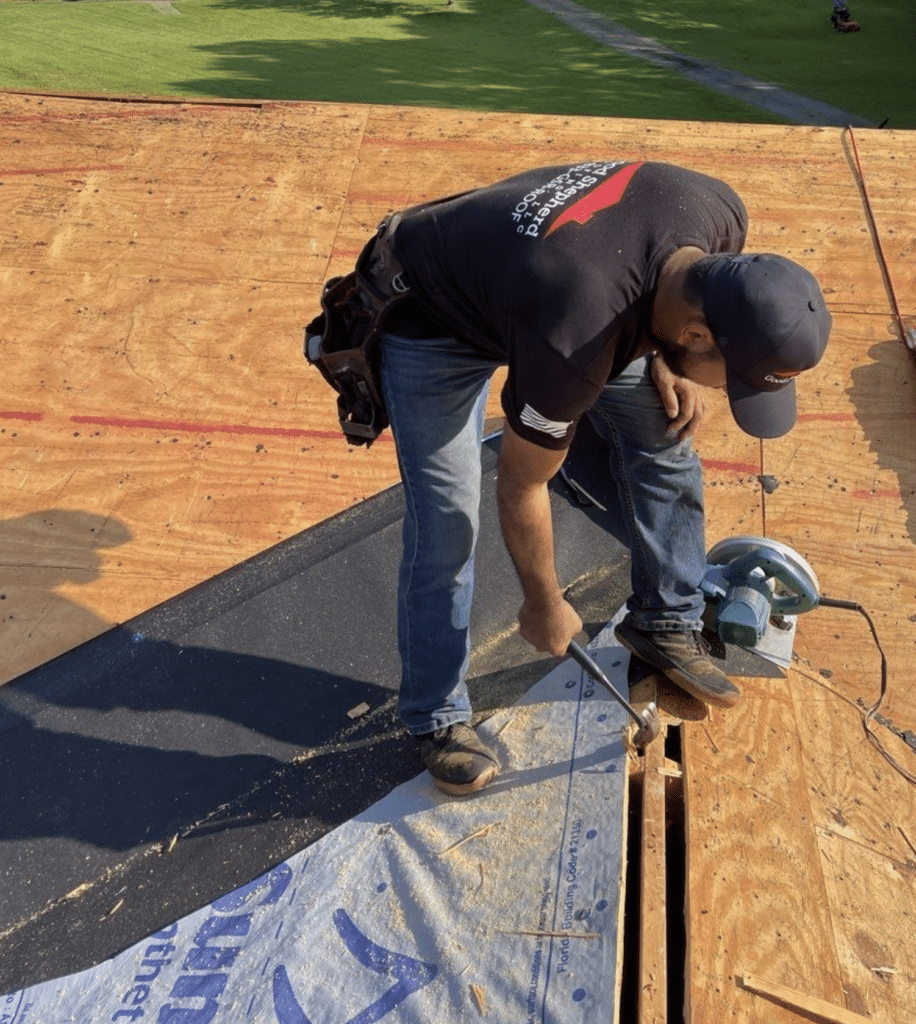
Metal roofing has gained popularity in recent years, and for good reason. Standing seam metal roofs, made from steel or aluminum with interlocking seams, are among the most durable roof materials available today. They can last 50 years or more with minimal maintenance. The seams are raised above the flat surface, which keeps fasteners hidden and reduces leak points. Snow and rain slide off easily, and the material is non-combustible.
One concern with metal is noise during rain or hail. However, modern insulation and underlayment systems dampen sound significantly. Another consideration is expansion and contraction. Metal panels need proper slip clips or sliding fasteners to accommodate movement. If installed rigidly, the panels can buckle or the fasteners can pull loose. A good installer understands these details.
Corrugated metal panels are cheaper than standing seam but have exposed fasteners, which can loosen over time and require retightening. For a residential roof, standing seam is generally the better investment. The upfront cost is higher, but the longevity and low maintenance often make it more economical in the long run.
Clay and Concrete Tiles: Timeless but Heavy
Tile roofs have been used for centuries in Mediterranean and Spanish-style architecture. They offer a distinct aesthetic and excellent durability. Clay tiles are fired at high temperatures, making them very hard and resistant to rot, insects, and fire. Concrete tiles are similar in appearance but slightly heavier and less expensive.
The main drawback of tile is weight. A tile roof can weigh 800 to 1,200 pounds per square, which often requires structural reinforcement of the roof deck and trusses. That adds to the installation cost. Tile also requires a steeper pitch to shed water effectively, and individual tiles can break if walked on improperly.
Still, a well-installed tile roof can last 75 to 100 years. If you plan to stay in your home for the long haul and like the look, tile is one of the most durable roof materials you can choose. Just budget for a stronger structure and an experienced installer who knows how to set the battens and flashings correctly.
Connect with us on YouTube.
Synthetic Slate and Rubber Roofing
For homeowners who want the look of slate or wood but with modern performance, synthetic materials are worth considering. Synthetic slate is made from a blend of recycled rubber and plastic, molded to resemble natural slate tiles. It is lighter than real slate, resists impact, and does not absorb water. Some manufacturers offer 50-year warranties.
Rubber roofing, typically EPDM (ethylene propylene diene monomer), is most common on flat or low-slope roofs. It comes in large sheets that are rolled out and adhered or ballasted. EPDM is highly resistant to UV and ozone, and it can last 30 to 40 years. The downside is that punctures from branches or foot traffic can be tricky to repair, and the dark color absorbs heat, which can increase cooling costs in summer.
Synthetic materials are a middle ground, better longevity than asphalt shingles but less proven than metal or tile. They work well for specific applications where weight or aesthetics matter.
Maintenance Is Part of Durability
No matter which material you pick, a roof is only as durable as the care it receives. I have walked roofs that were built with top-tier materials but had failed because gutters were clogged for years, allowing water to back up under the shingles. I have also seen cheap three-tab shingles last 25 years because the homeowner kept the roof clean and made prompt repairs after storms.
Durability is a partnership between the material and the owner. Regular inspections, especially after heavy weather, can catch small problems before they become leaks. Trimming overhanging branches reduces debris and physical damage. Ensuring attic ventilation prevents ice dams and moisture buildup that can rot decking.
When you invest in durable roof materials, you are buying time and peace of mind. But that investment pays off only if you treat the roof as a system, not just a covering. Flashing, underlayment, ventilation, and drainage all work together to keep your home dry.
How to Choose for Your Home
Start with your budget and how long you plan to stay in the house. If you expect to move in five years, mid-range asphalt shingles may be the smart choice. If this is your forever home, consider metal or tile. Also factor in your roof’s slope and complexity. A simple gable roof is easier and cheaper to roof than one with multiple valleys, dormers, and skylights.
Think about color and reflectivity. Lighter colors reflect sunlight, which can lower attic temperatures and reduce cooling costs. Darker colors absorb heat, which may help melt snow in colder climates but can shorten the life of asphalt shingles in hot areas.
Finally, talk to local contractors. They know which materials perform best in your specific area. A roofer in Dacula will have different recommendations than one in Phoenix, because the weather and building codes are different. Listen to their experiences with different brands and installation techniques.
Where Durability Meets Practicality
There is no single perfect roof material for every house. The best choice depends on your priorities, cost, longevity, appearance, maintenance, and climate. But understanding what makes a material durable helps you make an informed decision. Whether you choose asphalt shingles, metal, tile, or a synthetic product, look for quality manufacturing, proper installation, and good warranty coverage.

In the end, selecting durable roof materials is about protecting one of your largest investments. A roof that lasts 30 or 40 years without major repairs saves you money, stress, and inconvenience. It also adds to your home’s resale value and curb appeal.
If you are considering a new roof or a replacement, take your time researching. Visit supply yards, look at samples, and ask questions. A roof is a long-term commitment, and getting it right the first time is worth the effort.
Good Shepherd Roofing, located at 2505 2nd Ave, Dacula, GA 30019, can be reached at +1 833-477-7663 and provides roof repair, replacement, gutters, and insurance claim support for homeowners in the Dacula area.